
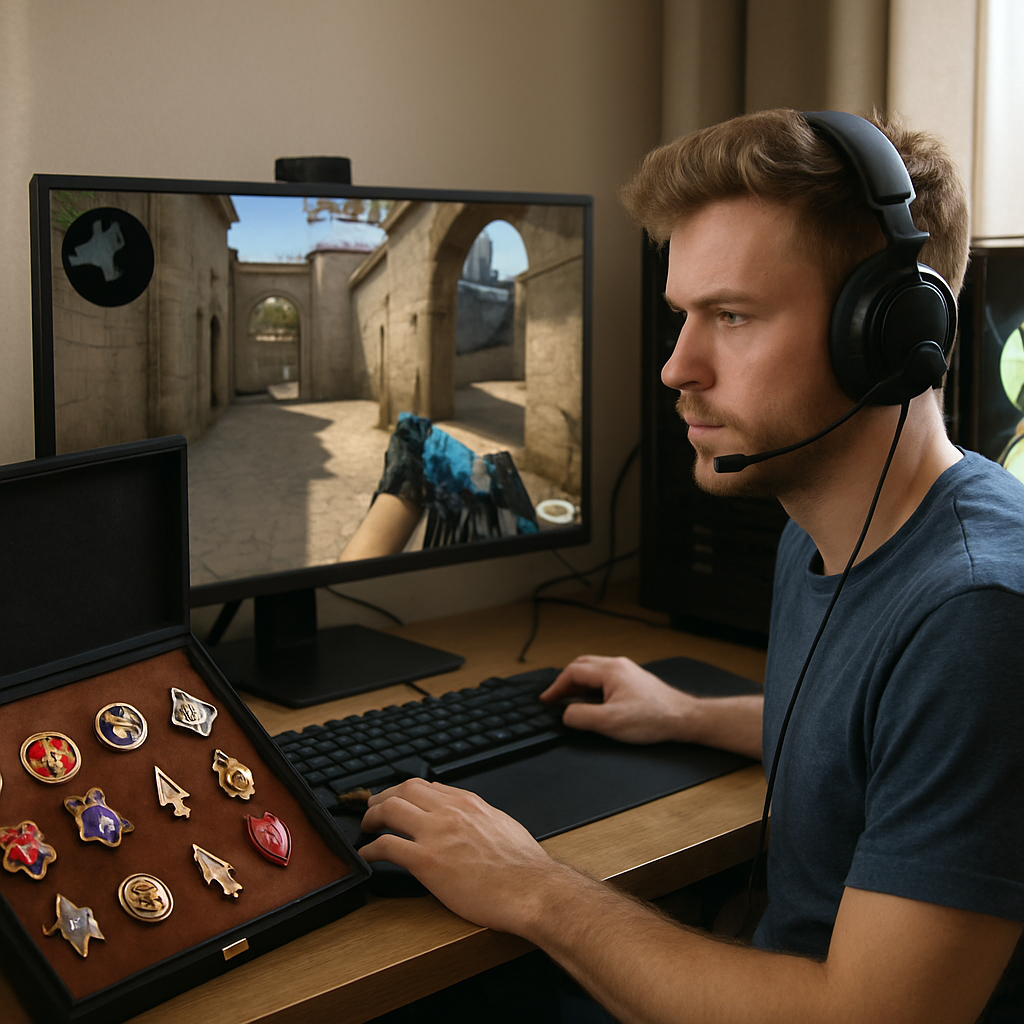
The Evolution of Cosmetic Culture in CS2
Debates around the true value of cosmetics in competitive shooters continue. Many players see personalizing equipment as just a visual flourish, while others argue its influence goes beyond aesthetics. For those interested in the functional side, CS2 (cs:go skins) offer unique interface experiences. Demand for these digital assets constantly shapes trading patterns and gameplay incentives.
Skin economy in CS2 represents a shift from cosmetic add-ons to a core part of FPS culture. Rarity tiers, user-driven trading, and asset provenance allow players to express identity and participate in a global trading ecosystem. Enthusiasts build collections that reflect status, preferences, or affiliations. Skin culture stands as a hub for economic activity, shaping decision-making for millions of players. The evolving balance between individuality and performance continues to shape broader discussions in the FPS scene.
Key Cosmetic Trends Defining CS2
New cosmetic trends are defining the visual landscape of CS2 this year. Recent releases of rare skins feature animated, holographic, or neon finishes, offering players extensive customization options. Blockchain-based smart contract systems ensure verified ownership and transparent skin history, increasing trust in the trading ecosystem.
Gloves, weapon charms, and complete customization kits add new levels of self-expression. Analysts from Esports Observer emphasize that the combination of mass-market items with a small number of ultra-exclusive skins maximizes both engagement and collectible value. James Harding, portfolio manager for digital collectibles, notes that community-created assets currently account for 30% of large transactions. The release of the “Cyberwave” collection and the popular “Pixel Feral” skin series have resulted in thousands of transactions between individuals. An increasingly diverse market influenced by digital property rights maintains ongoing interest and brings together collectors and everyday users.
How Cosmetic Choices Influence Gameplay Experience
Selecting a unique skin creates psychological advantages for many players. Ownership generates excitement and encourages collection, which boosts participation during themed events. Tournament data from esports portals shows that 70% of players equip at least one skin for style, even when no performance bonus is attached.
Cosmetics function as status symbols and signal in-game accomplishments, serving as a subtle indicator of dedication. Match behavior also changes: users more willingly showcase rare finds, sometimes affecting in-game etiquette or encouraging positive reactions in teams. These elements transition cosmetics from a purely competitive focus to tools for personal identity and social recognition. Retention studies reveal a 25% increase in play session frequency among skin collectors, as style investments translate to repeat engagement.
Pitfalls and Mistakes When Engaging with Skins
New collectors often misjudge market conditions and fall into common traps. Purchasing high-demand skins impulsively, without market research, reliably results in overspending—market commission alone can vary from 10% to 15%. Neglecting to verify item provenance, especially with rare or legacy drops, increases the risk of acquiring illegitimate items. Less than 5% of users worldwide report loss due to phishing or non-authentic sources, yet these cases underscore the importance of security.
A notable case occurred recently when a buyer purchased the “Inferno Haze” skin for $500 during a frenzy; the average resale price dropped to $400 the following week—an instant 20% loss. To avoid similar misfortunes, purchase exclusively through official trading channels, check the item’s transaction history, and understand the basics of the market. Attention to detail ensures the best investment protection and allows you to build authentic collections.
Step-by-Step: Building a Unique Skin Inventory
Start by exploring up-to-date skin collections and tracking all seasonal events. Savvy collectors save up to 30% by targeting bundles released outside peak hype cycles. Next, evaluate the rarity and current trend analytics for your favorite drops, as these factors strongly affect both price and future trade liquidity.
Third, select a purchase or exchange channel. Options include official CS2 trade hubs, case-opening services, or peer-to-peer aggregators—each with differing fees and guarantees. Compare before you commit. Analyze resale values by watching trade forums immediately before and after key events; post-event drops retain up to 12 months of high value, but lose up to 25% after attention wanes. Hybrid strategies—assembling thematic sets for event participation—often keep purchase costs 15–20% lower when drawn from secondary collections.
The scope is global: over 1 million trades happen every month, ensuring liquidity for most skin types. Strategic collection, timely trades, and researched purchases build a visually striking and financially sustainable inventory.
Who Benefits Most from CS2 Cosmetic Culture
Esports professionals benefit through visible team branding and custom sponsorship collections, increasing their in-game recognition. Casual players enjoy customization with accessible starting prices, as entry-level sets are available from $1.
Each player segment—competitors, casuals, or investors—adapts skins to individual goals, financial constraints, and gameplay styles. The economy, range, and creative opportunities provide meaningful rewards regardless of starting inventory or skill level.